Leave a Little Behind: The Sink-Side Habit That Lets Fluoride Finish Its Shift
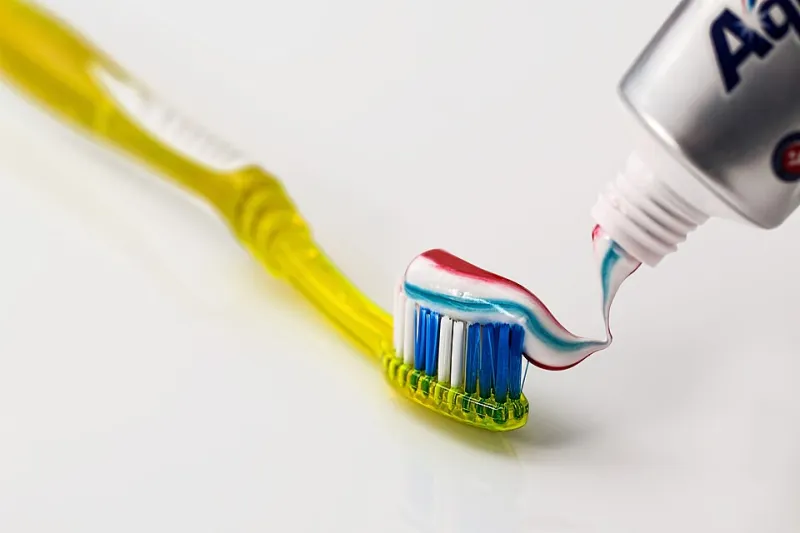
Photo: Steve Buissinne, South Africa, CC0, via Wikimedia Commons
Most of us have a bathroom routine that runs on autopilot. Brush, rinse, spit, done. It feels tidy. It feels finished. But if you rinse with water straight after brushing, you may be giving the most useful part of the toothpaste a one-way ticket down the plughole.
The advice you will hear from many UK dental teams is refreshingly short: spit, don't rinse. It is not a quirky internet tip or a new gadget-led trend. It is a small change to the last thirty seconds of your routine, and it costs nothing.
The habit hiding in plain sight
Brushing does two jobs. It disrupts the sticky film of plaque that builds up on teeth and gums, and it leaves fluoride on the tooth surface. Fluoride helps strengthen enamel and makes it harder for acid attacks to do damage. That is why toothpaste is not just a foaming delivery system for mint flavour.
When you rinse with water immediately afterwards, you wash away a good deal of the fluoride you have just applied. The brushing still matters, of course. But the protective layer gets cut short. Spitting instead of rinsing leaves a thin film of fluoride behind to keep working for a while longer.
This is why 'spit, don't rinse' appears in UK preventive advice for both adults and children. It is simple enough to remember, but it can feel odd if you have spent decades reaching for a cup of water.
What rinsing actually washes away
A rinse feels cleansing. After the foam and the mint, water seems to signal that the job is complete. The trouble is that the clean feeling is not the same as the protective effect.
Think of it like applying sun cream. You would not rub it in and then wash it off straight away. Toothpaste is not sun cream, and the comparison is not perfect, but the principle is similar: some ingredients need to stay on the surface to do their best work.
The goal is not to leave a thick, unpleasant coating. You are not trying to keep a mouthful of foam. You simply spit out the excess toothpaste and stop there. A little residue is normal. A quick spit is enough.
Where mouthwash fits, and where it does not
Mouthwash is one of the most common reasons people rinse after brushing. It feels like an upgrade: toothpaste first, then a swish of something extra. In practice, using mouthwash straight after brushing can rinse away the fluoride you have just left behind.
If you use mouthwash, choose a time away from brushing. After lunch, for example, or at another point in the day when you are not about to brush. Some mouthwashes contain fluoride, and your dentist may recommend a particular type for a particular reason. That is worth following. But mouthwash is not a substitute for brushing, and it should not be the final rinse straight after it.
If you are using a prescribed high-fluoride toothpaste, the same idea applies: follow the instructions you have been given. Do not assume that more rinsing means more protection.
Water is not the enemy, but timing matters
You still need to drink water. Nobody is asking you to avoid fluids after brushing. The point is about swilling and rinsing, not about taking a normal sip.
If you are thirsty after brushing, a small drink of water is fine. What you want to avoid is the full cup, the big swig and the theatrical swish that leaves the sink looking like a minor water feature. If you have brushed at night, go to bed without the rinse. In the morning, spit and carry on with your day.
If the taste or texture bothers you
Some people find the no-rinse habit strange at first. The lingering mint can feel strong. The slight film can feel unfamiliar. That is a fair reaction, and it usually settles with a few days of practice.
A few practical tweaks can help. Use a toothpaste you actually like the taste of rather than one you tolerate. Try a smaller amount of toothpaste. Spit gently rather than vigorously. If the sensation is still unpleasant, mention it at your next appointment. There may be a simple explanation, such as dry mouth or a toothpaste ingredient that does not suit you.
Do not swallow toothpaste. Spitting is the aim; swallowing is not. Children need age-appropriate supervision and the right amount of toothpaste for their age, following NHS guidance. If you are unsure, ask your dental team.
A small routine that sticks
The easiest way to make this habit stick is to attach it to something you already do. When you finish brushing, put the toothbrush down, spit once, and leave the bathroom. Do not pick up the cup. Do not turn on the tap for a rinse. The absence of an action is the habit.
At first, it may feel unfinished. That is the point. The clean feeling comes from the brushing, not from the rinse. Once you get used to it, reaching for water can start to feel like undoing the last two minutes of work.
At This Is It Dental, we like preventive care that fits real life. This one takes no extra time, needs no equipment and works alongside the brushing you are already doing. It is about leaving a little behind, not doing more.
When to ask your dentist
Spit, don't rinse is general advice, not a personal treatment plan. If you have a high risk of tooth decay, sensitive teeth, gum problems, dry mouth or a child with specific needs, your dental team may give you different instructions. Follow those first.
If you are not sure whether your mouthwash, toothpaste or routine is helping or cancelling itself out, bring the products to your next appointment. A short conversation at the chair can clear up a lot of sink-side guesswork. Clear advice, a calmer routine and a confident smile: that is a good place to start.