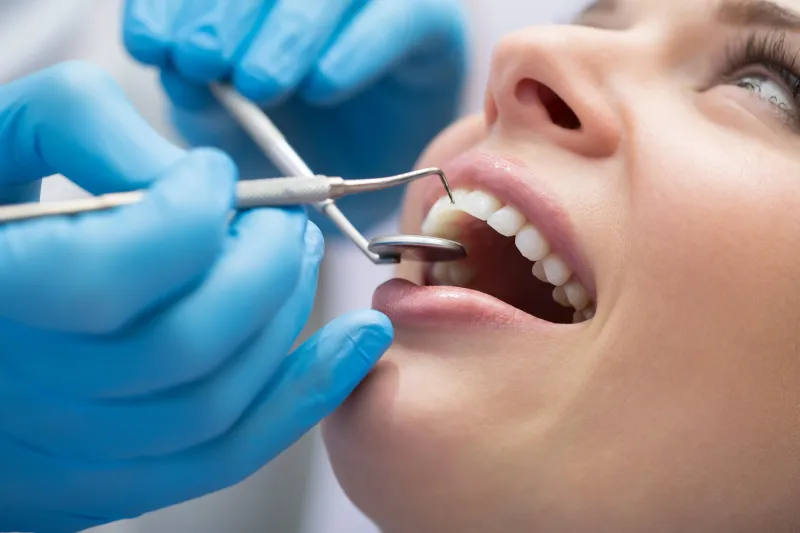
Your 2026 Smile Makeover Consultation: Seven Questions That Keep You in Control
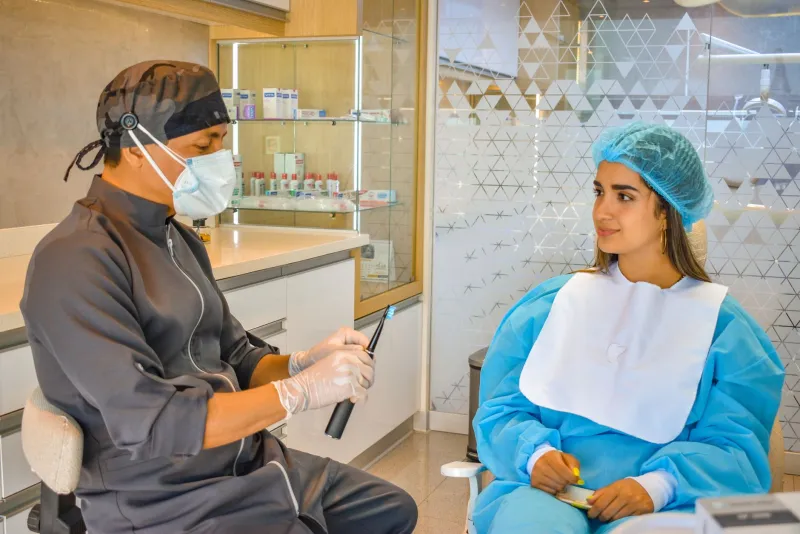
Cosmetic dentistry can be brilliant. It can also be a bit of a maze, especially if you are balancing a wish for a brighter, straighter smile with real-world questions about cost, time and whether treatment is actually necessary. The good news is that a consultation is not a commitment. It is a chance to gather information, ask awkward questions and decide what feels right for you.
This simple smile audit is designed to help you walk into that appointment feeling prepared rather than pressured. Whether you are considering composite bonding, professional whitening, veneers or clear aligners in 2026, these seven questions will help you separate want from need and make a decision you can feel confident about.
1. What exactly am I hoping to change?
Before you discuss treatments, get specific about the thing that bothers you. Is it the colour of your teeth? A chip on one front tooth? Small gaps? Crowding? The way your smile looks in photos? Or is it more about function — difficulty biting, jaw discomfort or teeth that feel uneven?
Take a few notes before your appointment, or even save a couple of photos on your phone. You do not need to diagnose yourself. You just need to describe what you see and how it affects you. A good dentist will listen, examine your mouth and then explain what is realistic. If you cannot quite put it into words, that is fine too — a decent consultation should help you untangle it.
2. Is this a want, a need, or a bit of both?
Cosmetic dentistry sits on a spectrum. Some treatment is mainly about appearance. Some is about protecting teeth, gums or jaw function. Often it is a mix. Whitening, for example, changes colour but does not reshape teeth. Bonding can repair a small chip and improve appearance at the same time. Aligners can improve crowding that makes cleaning difficult, as well as straightening your smile.
Ask your dentist to explain which parts of your plan are health-related and which are cosmetic. A trustworthy answer will not make everything sound urgent. It should help you understand the trade-offs, including the option of doing nothing for now.
3. What are all my options — including no treatment?
A good consultation should not jump straight to the most expensive option. Ask what else could work. Could whitening alone make enough difference? Would bonding be a more conservative first step than veneers? Are aligners suitable for your bite, or would they create problems elsewhere? Is there a simpler, cheaper option that gets you most of the way there?
And yes, ask what happens if you wait. Sometimes the answer is that nothing bad will happen and you can revisit it later. Sometimes there is a reason not to delay, such as gum disease, decay or excessive wear. Either way, you deserve to know.
4. What is the full cost, and what is not included?
In the UK, cost conversations matter. Ask for a written estimate that covers the whole journey, not just the headline treatment. That might include the consultation, X-rays or scans, preparatory treatment, the main procedure, follow-up appointments, retainers, whitening top-ups, repairs and replacement costs.
Also ask how payment works if you are going private. Are there payment plans? What happens if treatment takes longer than expected? Are there lab fees? If a veneer chips in two years, what will it cost to fix?
NHS versus private is worth asking about directly. NHS dentistry covers treatment needed to protect oral health, but purely cosmetic work — such as veneers simply to change the shape of healthy teeth — is generally private. Some treatment may be available on the NHS if there is a clinical need, so ask what applies in your case rather than assuming.
5. Who will actually do the work?
It is fine to ask who will carry out each stage of treatment. Will you see the same dentist throughout? Are any parts referred to a specialist, such as an orthodontist for aligners or a prosthodontist for complex veneer work? How much experience do they have with the specific treatment you are considering?
You can also ask to see examples of their work, especially if you are considering something like veneers or bonding where the aesthetic result matters. Dentists are regulated by the General Dental Council, and you can check a clinician's registration on the GDC website if you want extra reassurance.
6. What aftercare is included?
Cosmetic work is not always a one-and-done appointment. Ask what happens after treatment. Will you have a review appointment? What should you do if you get sensitivity? Are retainers included after aligners, and for how long? What is the policy on repairs or replacements? Is there a guarantee, and what does it actually cover?
This is also the moment to ask about upkeep. Veneers and bonding need care. Whitening can fade. Retainers need wearing. A dentist who is honest about maintenance is usually a dentist who is thinking beyond the first photo-ready result.
7. How should this consultation feel?
A good cosmetic consultation should feel unhurried, friendly and clear. You should be able to ask questions without feeling rushed. The dentist should examine your teeth and gums, explain what they see, discuss alternatives and give you time to think. You should not feel like you are being pushed into signing something on the day.
Red flags include pressure tactics, limited-time discounts, vague pricing and a reluctance to discuss less invasive options. It is also perfectly okay to get a second opinion. Cosmetic dentistry is elective care for most people, and you are allowed to take your time.
The appointment-ready decision
You do not need to leave a consultation with a full plan and a deposit. You need enough information to make an informed choice. If the answers feel clear, the costs are written down and the dentist has explained both the benefits and the limitations, you are in a good position. If something feels off, ask again or walk away.
A confident smile should start with a confident decision. That is the whole point of the audit.