Before You Register: A Clear-Eyed Look at UK Dental Care in 2026

Photo: Richard Sutcliffe , CC BY-SA 2.0, via Wikimedia Commons
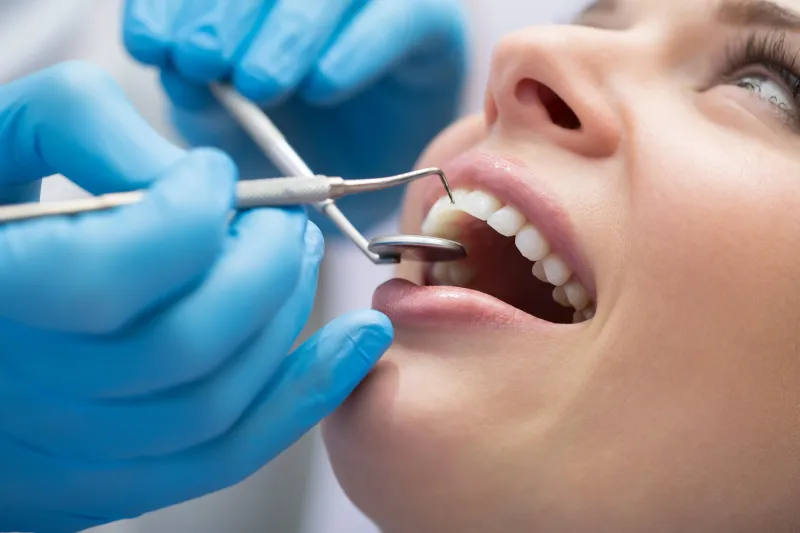
You do not need to understand dental policy to register with a dentist. You just want to know what you are signing up for, what it will cost, and whether you can get an appointment before your tooth starts composing a complaint letter. Fair enough. The UK dental system is not always brilliant at explaining itself, so here is a plain-English map for 2026.
First, the bit nobody explains clearly
NHS dentistry is not the same as free dentistry. Most adults in England pay a set charge, split into bands. Scotland, Wales and Northern Ireland run their own versions, so the detail changes depending on where you live. Private dentistry is not one single thing either: it covers everything from a straightforward check-up at a high-street practice to specialist work at a clinic that feels more like a spa. And plenty of practices are mixed, offering NHS care for some patients or treatments and private care for others.
None of that is a scandal. It is just a system with a few different doors. The trick is knowing which door you are walking through.
What the NHS bands actually cover
In England, NHS dental treatment is grouped into bands. Band 1 covers an examination, diagnosis and basic preventive advice; some scaling and polishing may be included depending on your clinical need. Band 2 covers most routine repair work, such as fillings, root canal treatment and extractions. Band 3 covers more complex work like crowns, bridges and dentures. Urgent care sits in its own arrangement.
The charge is set nationally and usually changes each April, so check the current figure on the NHS website rather than relying on a number you saw last year. Some people are exempt from charges, including children under 18, pregnant women and new mothers, and people on certain benefits. If you think you might be exempt, ask before treatment starts.
What the NHS does not generally cover is cosmetic work done purely to change the appearance of your teeth. Whitening, veneers and some orthodontic treatment may only be available privately unless there is a clinical reason. That is not a loophole; it is how the system is designed.
Where private care fits
Private dentistry is not automatically better or worse. It is different. You are usually paying for time, choice and treatments that are not routinely available on the NHS. A private check-up might cost somewhere between £50 and £120 depending on your region and the practice; a hygienist appointment might be £60 to £120. A crown can run from several hundred pounds to four figures. Those are broad brushstrokes, not quotes, and London prices are not the same as prices in a small town.
Private care can be useful if you want a specific dentist, longer appointments, a particular cosmetic treatment, or an appointment sooner than the NHS list allows. It can also be useful if you have dental anxiety and need more time. That is a legitimate reason. You are not being precious.
Why some practices offer both
A mixed practice is exactly what it sounds like: one building, two ways of paying. The practice might have an NHS contract for a certain number of patients, or offer NHS care to children while adults are seen privately. It might provide NHS check-ups but private crowns. This is not a trick, although it can feel confusing when you are sitting in the chair.
The important thing is to ask which parts of your treatment are NHS and which are private before anything begins. A good practice will explain the options without making you feel like you have wandered into a timeshare presentation.
Practical questions to ask before you register
Before you join a practice, ring or email and ask:
- Are you taking on new NHS patients? If not, is there a waiting list?
- If I need a crown or a root canal, will that be NHS or private? What would each option cost?
- What is included in a check-up, and will X-rays or a scale and polish cost extra?
- How do you handle urgent appointments for registered patients?
- What is your policy on missed appointments and late cancellation?
- Do you offer a payment plan or a maintenance membership?
- Who will I see: a dentist, a hygienist, or a dental therapist?
You do not have to ask all of these at once. Pick the ones that matter to you. If a practice is evasive about costs, that is useful information. If it answers clearly, that is a good sign.
Making the choice without the judgement
The preventive basics are the same whichever door you choose. Regular check-ups, gum care, a sensible approach to sugar and smoking, and a hygienist who is not a stranger. If your budget is tight, NHS care is there to keep your mouth healthy. If you want a particular dentist or a cosmetic treatment, private care may make more sense. A mixed practice can be a sensible middle path.
There is no prize for choosing the most expensive option, and no shame in choosing the cheapest. The right choice is the one that gets you seen, keeps your gums onside, and does not leave you dreading the bill. That is the whole map, really.