A Fresh Set of Eyes: The Grown-Up Guide to Dental Second Opinions
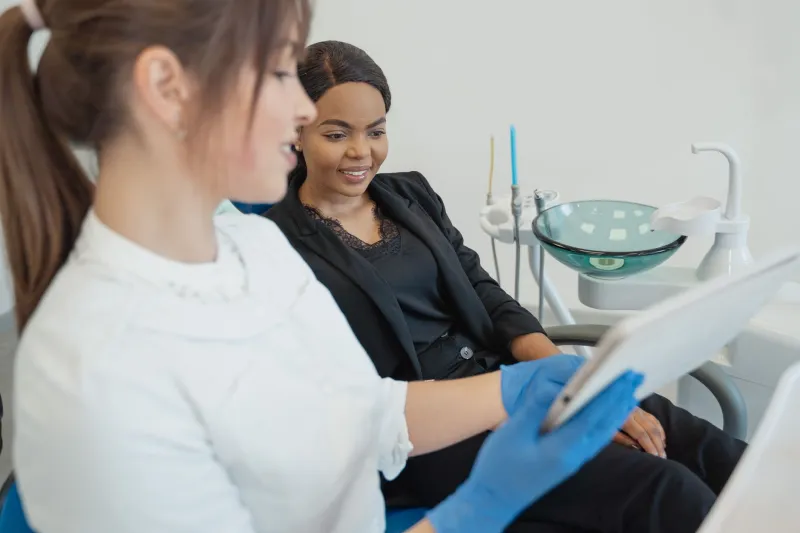
There’s a moment in some dental appointments when the treatment plan lands on the table and your brain quietly leaves the room. Maybe it’s a crown, an implant, a full set of veneers, or a deep clean with a number attached that makes you blink. You nod. You take the printout. Then, in the car, you think: I wish I’d asked someone else about this.
That thought is not disloyal. It’s normal. In 2026, dental treatment can be a significant financial and emotional commitment, and getting a fresh set of eyes on a complex plan is often the calmest thing you can do. A second opinion is less about catching anyone out and more about making sure the recommendation in front of you genuinely fits your mouth, your priorities and your budget.
When a second opinion is reasonable — and when it’s overkill
Not every filling needs a committee. If you have a small cavity, a routine check-up, or a straightforward hygiene appointment, you can usually proceed without turning it into a tribunal. But a second opinion starts to make real sense when the stakes rise.
It’s especially reasonable if you’ve been quoted for multiple crowns, implants, root canal treatment, gum surgery, orthodontics, a smile makeover, or anything described as “full mouth” work. It’s also fair to seek one if the plan involves replacing several teeth, if the cost is several thousand pounds, or if you’re being asked to decide quickly. Cosmetic work deserves the same scrutiny: veneers, bonding and whitening are elective choices, and you should feel free to compare approaches before committing.
You might also want another view if the advice feels vague, if you don’t understand why a tooth needs treating, or if you’ve been given conflicting messages about whether to repair, remove or monitor something. None of that means the first dentist is wrong. It means you need clarity.
The awkwardness is mostly in your head — but here’s how to handle it
Many people worry that asking for a second opinion will insult their dentist. In reality, good clinicians are used to it. You don’t need a dramatic speech. A simple line works: “Before I book this in, I’d like to get a second opinion so I can feel confident about the plan. Could you let me know how to get my records and X-rays?”
That’s it. You’re not accusing anyone of anything. You’re being an adult with a cheque book and a jaw. If you’d rather not explain at all, you can simply ask for a copy of your treatment plan and any relevant images. You don’t have to announce your entire thought process at reception.
What to ask the first dentist before you go anywhere
Before you compare advice, make sure you understand the advice you already have. Ask for the treatment plan in writing, including the options that were discussed and the ones that weren’t. Ask which teeth are involved, what happens if you wait, and what the realistic lifespan of the work might be. If a tooth is being crowned, ask why a filling isn’t suitable. If an implant is recommended, ask what the alternatives are and what maintenance it needs.
It also helps to ask whether the quote includes everything: X-rays, impressions, lab fees, sedation, follow-up appointments, and any temporary work. A plan that looks cheaper at the start can become expensive if half the appointments are billed separately.
Getting your X-rays and records without a treasure hunt
In the UK, you have a right to access your dental records under data protection law. Practices can charge a reasonable fee for copying, and they should provide records within a reasonable timeframe. X-rays are part of your clinical record, so ask for the relevant images to be transferred digitally, ideally as DICOM files or a secure link. A second dentist will usually want to see them, and they may also take their own X-ray if the existing one is old or not clear enough.
Be specific. Ask for the treatment plan, clinical notes relating to the teeth in question, and any X-rays or photographs used in the consultation. If you’re moving between NHS and private care, say so upfront. It helps everyone know what kind of record-sharing is needed.
NHS and private advice are not always apples and apples
Comparing an NHS plan with a private plan can be confusing because they may not be offering the same thing. NHS treatment is usually guided by clinical need and available banding, while private treatment may include different materials, more appointment time, sedation, or a wider choice of cosmetic options. One isn’t automatically better. They’re different routes with different trade-offs.
When you get a second opinion, ask the second dentist to explain what they would do differently and why. If they recommend the same treatment, that’s reassuring. If they recommend something else, ask what the advantages and risks are. Don’t just compare the bottom line. Compare the number of visits, the materials, the expected lifespan, the aftercare, and what happens if something goes wrong.
Five questions that keep you in control
When you sit down for the second opinion, take a short list. Ask: What are all my options, including doing nothing for now? What happens if I wait six months? What is the evidence behind this recommendation? What would you do if this were your tooth? And what does the total cost include — not just today, but over the next few years?
Those questions do two things. They slow the conversation down, and they move it away from sales pressure and back towards clinical reasoning. A good dentist will welcome them. A good second opinion will make you feel more informed, not more confused.
The decision is still yours
A second opinion is not a binding verdict. It’s another piece of information. You might hear the same advice twice and feel your shoulders drop. You might hear a different approach and realise you have a choice. You might decide to go back to your original dentist with better questions. All of those are good outcomes.
At This Is It Dental, the aim is not to make you suspicious of the chair. It’s to help you feel confident in it. If a treatment plan feels big, expensive or simply not quite clear, a calm second opinion is a practical step — not a confrontation. Ask for your records, book the extra consultation, and give yourself permission to decide with your eyes open.