Five Minutes, Once a Month: The Mouth Cancer Check That Fits Real Life
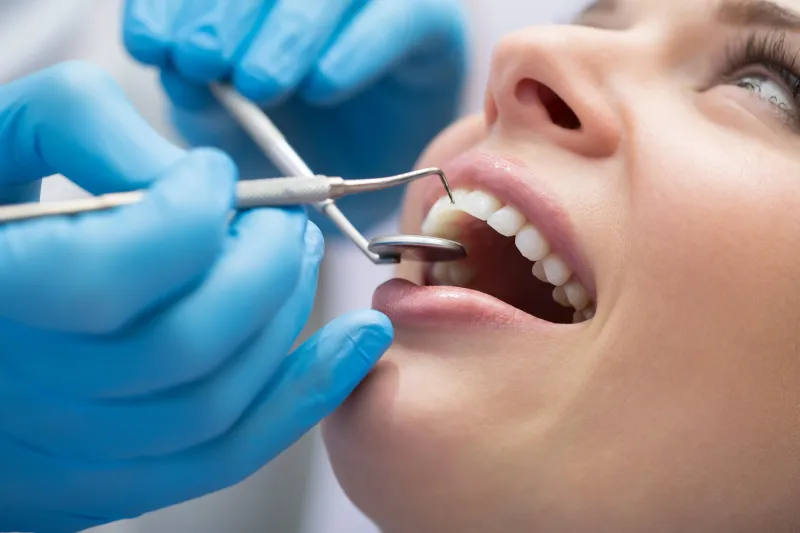
Photo: dentist soft tissue mouth examination patient UK preventive dental check, via www.yourdentistryguide.com
November is Mouth Cancer Action Month, and the campaign does exactly what it says on the tin: it asks us to pay a bit more attention to our mouths. Not in a doom-laden way. Not in a way that turns every mouth ulcer into a crisis. Just enough attention to notice something that has not settled, and enough knowledge to know what to do next.
The habit I would love more people to adopt is simple: once a month, spend five minutes checking your mouth, lips and neck. Stick it in your phone calendar. Pair it with changing your toothbrush head. Do it on the first of the month. Whatever makes it stick.
Why five minutes is worth it
Mouth cancer is not as rare as many people assume. In the UK, thousands of people are diagnosed each year, and cases have been rising. It is more common in men than women, and most cases are in people over 50 — but HPV-related mouth cancer is increasing in younger adults, so it is not purely an older person's issue.
The reason a monthly check matters is that early mouth cancer often does not hurt. It can look like a small white patch, a red patch, a lump or an ulcer that simply will not heal. Most of those things turn out to be harmless. But if something is not right, catching it earlier generally gives treatment a better chance. That is the whole point of checking: not to scare yourself, but to spot the unusual thing sooner.
What to look for — without panicking
The key phrase is persistent change. Lots of things in the mouth come and go. Bites heal. Ulcers from a sharp crisp or a hot drink settle. What matters is anything that hangs around.
Look out for:
- an ulcer or sore that has not healed after three weeks
- a red or white patch that does not go away
- a lump, swelling or thickening in the mouth, lip or neck
- unexplained bleeding in the mouth
- persistent hoarseness or a change in your voice
- difficulty swallowing or a feeling that something is stuck
- numbness in the lip or tongue
- loose teeth for no clear reason
- persistent earache on one side, or a sore throat that will not settle
This is not a checklist to memorise and panic over. It is a prompt to notice. Most lumps, patches and ulcers are not cancer. But if something is still there after three weeks, it is worth getting checked.
The five-minute monthly check
You do not need fancy equipment. A mirror, a torch or your phone light, and clean hands will do. Do it in a well-lit room. If you wear dentures, take them out first.
1. Lips
Look at the outside and inside of your upper and lower lips. Gently pull them down and up. Check for sores, lumps, patches or changes in colour that do not settle.
2. Gums and cheeks
Pull your cheek away from your teeth on each side and look along the gum line. Check the inside of your cheeks, including the area near the back teeth. Look for red or white patches, lumps or bleeding.
3. Tongue
Stick your tongue out and look at the top surface. Then lift it to the roof of your mouth and check the underside and the floor of the mouth. Look at both sides of the tongue too. This is a common site for mouth cancer, so do not skip it.
4. Roof of the mouth
Tilt your head back and use your torch to look at the roof of your mouth. Check for lumps, ulcers or patches.
5. Back of the mouth and throat
Open wide and say ahh. Look at the back of your throat and the area around your tonsils. You will not get a perfect view, but you can still notice obvious changes.
6. Neck
Use your fingertips to feel both sides of your neck, from under your jaw down to your collarbone. You are feeling for lumps or swollen glands that do not settle. Use gentle pressure and compare both sides.
If you notice something, do not panic. Note what it is, where it is and when you first spotted it. Then check again in a week or two. If it is still there after three weeks, book an appointment.
When to book — and who to book with
If you have any of the persistent signs above, contact your dentist. Dental check-ups usually include a soft tissue examination, so your dentist is a sensible first port of call. If you do not have a dentist, contact your GP. For persistent symptoms, your GP can assess you and refer you onward if needed.
Do not wait for your next routine check-up if something has been there for three weeks. And do not worry that you are wasting anyone's time. Dentists and GPs would much rather see you and reassure you than have you sit at home worrying.
What happens at the appointment
Your dentist or GP will ask about your symptoms and how long you have had them. They will look inside your mouth and feel your neck. They may not be able to tell you what it is straight away. If they are concerned, they can refer you to a specialist for further tests. Being referred does not automatically mean cancer — it means a specialist needs to take a closer look.
Small changes that lower the risk
You cannot control every risk factor, but some lifestyle changes can help. Not smoking or using tobacco is the biggest one. Keeping alcohol within UK low-risk guidelines matters too. The HPV vaccine helps protect against HPV-related cancers. Using lip balm with SPF on sunny days protects your lips from sun damage. A healthy diet with plenty of fruit and vegetables is good for general health as well.
And keep up with routine dental visits. They are not just about teeth. They are a chance for someone else to check the soft tissues in your mouth, including the bits that are hard to see in the bathroom mirror.
Make it normal, not frightening
A monthly mouth check is not about expecting the worst. It is about knowing your normal. The more familiar you are with your own mouth, the easier it is to notice when something changes. Five minutes, once a month, is a small habit with a sensible purpose.
Put a reminder in your phone for the first of each month. Do it after brushing. Tell a friend or family member you are doing it. And if you spot something that will not settle, book the appointment. That is the whole routine: check, notice, act.