Calmer in the Chair: What Dental Sedation Really Feels Like, and What It Doesn't Do

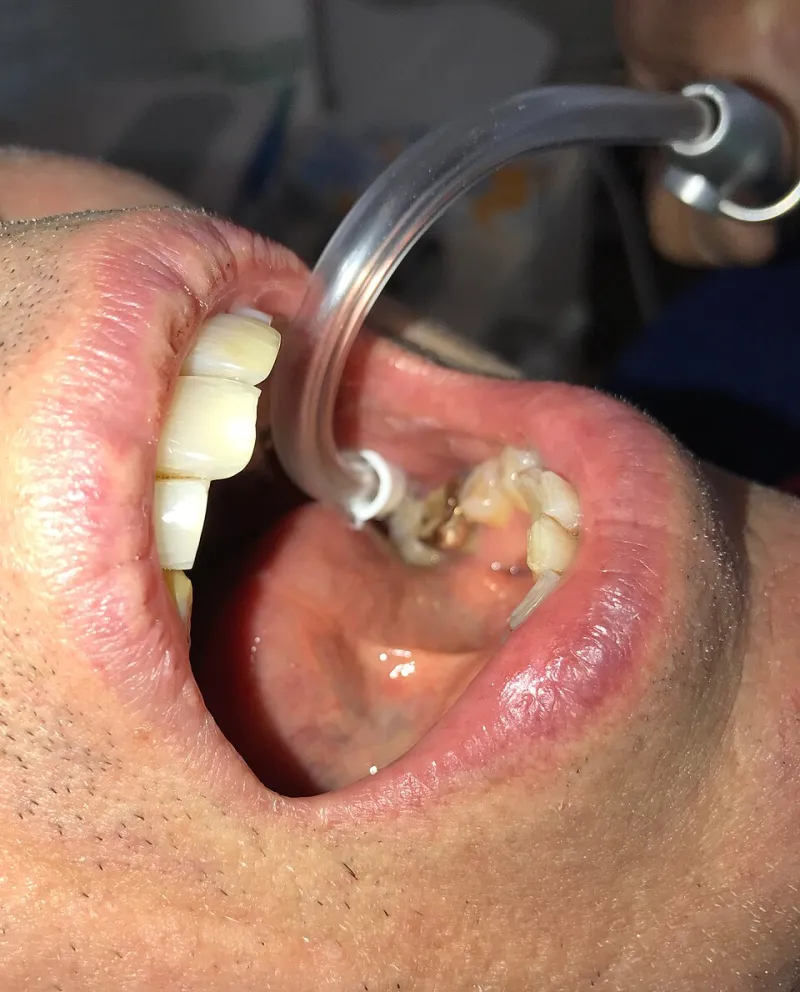
Photo: dentist explaining sedation options to calm nervous patient in UK dental practice, via image.tensorartassets.com
Sedation gets talked about like a magic wand. Nervous about the dentist? Get sedated. Problem solved. Except it is not quite that simple, and which version you are offered matters far more than most people realise — not just for how the appointment feels, but for how you get home, who has to come with you, and what you can do with the rest of your day.
So let's go through the options properly. No scary diagrams, no overselling.
First, the honest bit
'Sedation' is an umbrella term, not a single treatment. It covers everything from a gentle, slightly floaty hour with a nosepiece to a full general anaesthetic in a hospital theatre. They are not interchangeable, they are not equally available, and one is not simply 'stronger' than another in a straight line.
What they share is a goal: lowering your anxiety enough that treatment can be done safely and comfortably. What they do not share is the recovery.
Inhalation sedation: the lightest touch
This is nitrous oxide mixed with oxygen, breathed in through a soft nosepiece. Most people describe it as a warm, slightly wobbly, pleasantly detached feeling — a bit like the edge of a dream. Your hands might tingle. Sounds can go a little strange.
Here's the key thing: you stay awake. You can talk, you can swallow, you can raise a hand if you need a break. You will still have local anaesthetic for the actual drilling or extracting, because sedation manages your nerves, not pain.
The lovely part is the recovery. The gas leaves your system within minutes once the nosepiece comes off, and many people feel completely normal after a short sit-down with a cup of tea. Some practices still ask you to arrange a lift home, so check their policy before you plan your afternoon.
It is popular for gag reflexes, longer appointments, children (where a dentist is trained and confident with paediatric sedation) and adults who mainly need help getting through the door. On the NHS, it turns up in community dental services, some hospital clinics and the occasional forward-thinking practice — but availability is patchy, so it is worth asking directly rather than assuming.
IV sedation: the middle ground
This is usually midazolam, given slowly into a vein, often the back of the hand. It produces heavy drowsiness rather than sleep. You remain conscious and able to respond to instructions, but many people remember very little afterwards — that amnesia effect is a genuine part of how it works, not a side effect to worry about.
It is excellent for longer or more involved treatment, strong gag reflexes, and people whose fear is substantial rather than mild. It is also, understandably, the option that comes with the most rules.
Expect to be asked to bring an escort who stays with you for the rest of the day. No driving for 24 hours. No cycling, no operating machinery, no cooking on a hob, no signing anything important, no alcohol, no being the only adult responsible for young children. Book the day off. Book the evening off too, honestly.
IV sedation is widely offered in private practice and in some NHS settings, but it is not available everywhere. Ask whether the dentist providing your treatment is the person giving the sedation, or whether a separate sedationist is coming in.
General anaesthesia: the full switch-off
This is the one where you are genuinely unconscious, and it happens in a hospital or a specialist facility with an anaesthetist present. You will be asked to fast beforehand, you will need an escort, and you will be there for a good chunk of the day.
It is reserved for situations that really need it: complex or multiple extractions, some children, some patients with medical conditions, and occasionally adults whose fear is so severe that nothing else will work. It is not a shortcut for a straightforward filling, and a dentist should be able to explain precisely why they are suggesting a referral rather than a chairside option.
Who is allowed to provide what
Sedation is a regulated activity. Whoever is administering it should be trained and competent in that specific technique, working to recognised UK guidance, with monitoring in place — pulse oximetry at minimum, plus blood pressure for IV work — along with oxygen and emergency drugs on site. Any practice offering it should be registered with the relevant regulator and happy to talk you through their setup. If you get a vague answer to that question, that is information in itself.
NHS versus private, in practice
Both routes exist and both can be good. Where sedation is provided as part of NHS treatment, it is often covered within the band of the treatment itself — but the honest reality is that provision varies enormously by area and waiting lists can be long, particularly for hospital-based general anaesthesia. Private practice tends to offer inhalation and IV sedation more readily, and there is usually a separate fee for the sedation element. Always ask for the full cost in writing, including any sedationist charge.
The questions worth asking at consultation
- Which technique are you recommending for me, and why that one rather than the others?
- Who will be giving the sedation, and what is their training?
- How many of these do you do in a typical month?
- What monitoring and emergency equipment will be in the room?
- Will I still have local anaesthetic as well?
- Exactly how long before I can drive, work, or be alone?
- What does it cost in total, including the sedationist?
- What happens if the sedation does not work as well as we hoped on the day?
- Can I bring someone into the room with me?
Planning the day, not just the appointment
Sedation is a logistics decision as much as a clinical one. Line up your escort before you book. Clear your diary. Wear something with a sleeve that rolls up easily if IV sedation is on the cards. Eat properly beforehand unless you have been told to fast. Charge your phone, bring headphones, and accept that the rest of the day is a write-off in the nicest possible way.
What sedation will not do
It will not cure dental anxiety in the long run. It will not replace a dentist who explains things properly and lets you stop when you raise a hand. It will not make an unsafe situation safe, and it will not turn a treatment you do not understand into one you do. What it can do is break a vicious cycle — get you through the work that has been hanging over you, and give you a calmer starting point for the next conversation.
That is a genuinely good thing. Just go in knowing which of the three doors you are walking through.