A Signal, Not a Scene: The Pre-Appointment Habit That Gives Nervous Patients an Exit
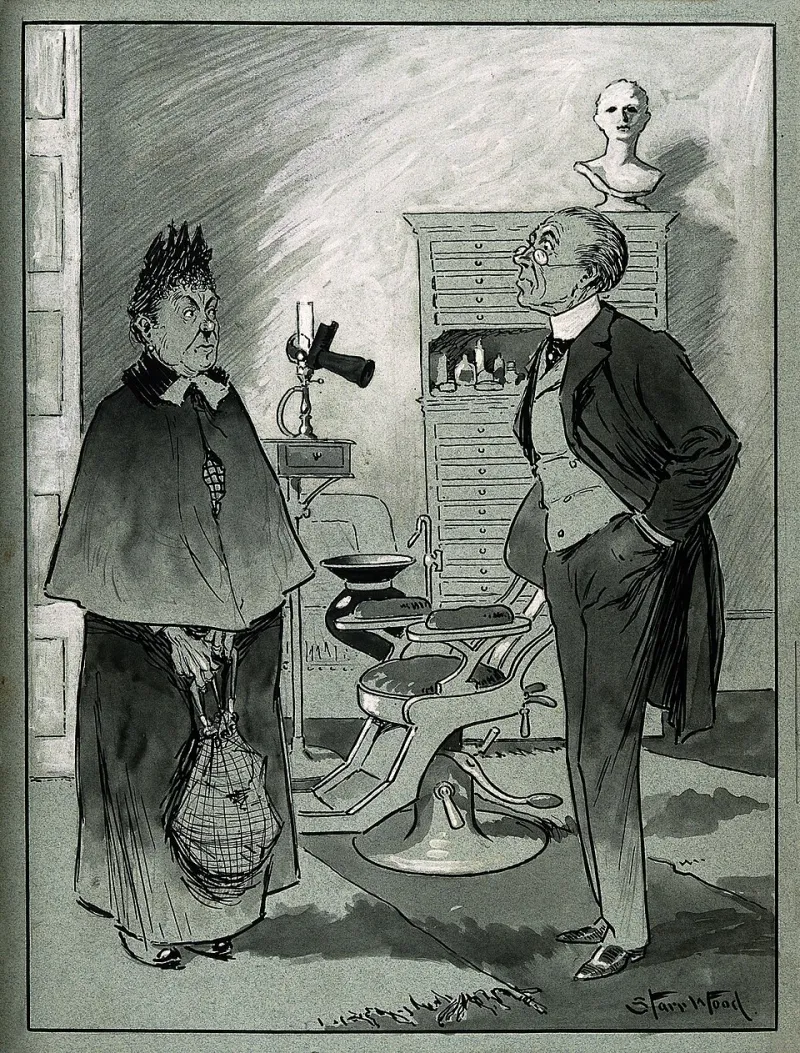
Photo: Starr Wood, CC BY 4.0, via Wikimedia Commons
Most dental anxiety doesn’t arrive as a neat fear of drills. It turns up as a quieter worry: what if I need to stop and I can’t say so? What if I freeze, or the bib is on, or there’s equipment in my mouth, and I can’t get the words out? That worry can make an ordinary check-up feel much bigger than it needs to.
One tiny habit can take some of that weight out of the room before treatment even starts: agreeing a stop signal in advance.
Why a stop signal helps before anything begins
A stop signal is exactly what it sounds like. You and your dentist or hygienist agree on a clear way for you to ask for a pause — usually a raised hand, a tap on the chair, or a spoken word. It is not a dramatic exit plan. It is a shared piece of communication that both of you understand before the appointment gets going.
That matters because anxiety often comes from unpredictability. You may not be worried about pain so much as being stuck in a situation where you cannot communicate. A pre-agreed signal gives you a small but real sense of control. It also gives the dental team a clear instruction rather than asking them to guess from a tense jaw or a worried expression.
You don’t need to explain your whole history to ask for one. You don’t need to prove you’re anxious enough. You just need a sentence and a dentist who knows what you mean.
What to say when you book
The best time to raise it is when you book, not when you’re already lying back in the chair. It gives the practice a chance to note it on your record and for the clinician to know before you arrive.
You could say: ‘I get anxious at the dentist. Is it okay if we agree a stop signal before we start? I’d like to be able to pause without having to explain myself mid-appointment.’
If you’re booking by phone, that’s enough. If you’re booking online, add a short note in the comments box. If reception sounds unsure, ask them to pass it on to the dentist or hygienist. This isn’t a strange request. Most UK practices see nervous patients every week, and many already use some version of this with people who need it.
Choose a signal you can actually do
A raised hand is popular because it’s visible, simple and doesn’t require speech. But it only works if it’s a signal you can realistically make when you’re stressed.
Some people prefer to tap the armrest twice. Some prefer to hold a small object and let go of it. Some prefer a word such as ‘pause’. The important thing is that it is obvious, agreed in advance, and not hidden under a bib or behind a piece of equipment.
If you tend to freeze rather than move, say so. You might agree that if you go very still or close your eyes tightly, the dentist will check in. But try to keep one clear signal as the main one. Too many signals can become another thing to remember.
How to phrase it in the chair
When you sit down, before the bib goes on and before any equipment comes near you, say it plainly:
‘Before we start, can we agree something? If I raise my left hand, please pause when it’s safe and check in with me. I’m not planning to use it, but knowing I can helps.’
That last part is worth saying. It tells the dentist you’re not expecting trouble. You’re asking for a communication tool, not issuing a warning.
Your dentist may explain that they’ll stop as soon as it’s safe to do so. That’s normal. If they’re midway through a quick step, they may need a second to finish before they pause. What matters is that they acknowledge the signal and tell you what’s happening.
What a pause is — and isn’t
A pause is a check-in. It is not a cancellation, a complaint or a failure. It might last five seconds. You might say, ‘I just need a moment,’ or ‘Can we adjust the chair?’ or ‘I’m okay, carry on.’ Sometimes the pause is enough in itself.
It is also not an emergency alarm for every slight discomfort. You can use it when you need it, and you can choose not to use it at all. The point is that the option exists.
If you’re worried about ‘making a fuss’, remember that a pre-agreed signal usually makes an appointment smoother, not more difficult. The dental team isn’t left trying to read your mind. You’re not left white-knuckling your way through. That’s a better deal for everyone.
The fuss myth, gently dismantled
Anxious patients often apologise for taking up time. But a stop signal is not a demand for special treatment. It’s a two-minute conversation that can prevent a much longer problem: a appointment that becomes overwhelming, a treatment that has to be abandoned, or another year of avoiding the dentist altogether.
Small moments of control add up. Being able to raise a hand and know you’ll be heard can make the difference between enduring an appointment and actually getting through it. That is not fuss. That is communication.
If you’ve been away for a while
This habit can be especially useful if you’re returning after a long gap. You don’t have to explain every reason you stayed away. You can simply say at booking: ‘I’m nervous and I’d like to agree a stop signal before we start.’
You can also ask for a short appointment, a morning slot, or a check-in partway through. But the stop signal is the simplest place to begin. It costs nothing, it fits into any appointment, and it gives you a way to speak up without needing a script in the moment.
At This Is It Dental, the aim is clear, calm care — and that includes making room for the things that help you feel steady. A signal is small. But it can change the whole tone of an appointment.
A small habit to take with you
Try it at your next check-up, hygienist visit or filling. Agree the signal when you book, repeat it at the start of the appointment, and choose something you can actually do. You may never need to use it. That’s fine. The point is that you know you can.